

A complete introduction to saffron and the stages and types of saffron cultivation
Introduction to Saffron
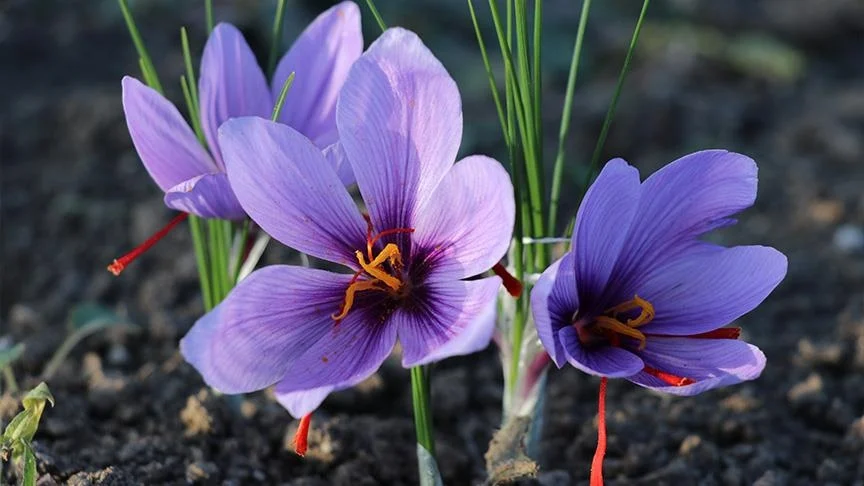
Saffron (Crocus sativus) is a highly prized spice derived from the stigma (female reproductive part) of the crocus flower. Known as “red gold” due to its deep color, labor-intensive harvesting process, and high price, saffron is one of the most valuable and sought-after spices in the world. It has a distinct flavor, aroma, and color, making it a popular ingredient in culinary dishes, particularly in Middle Eastern, Indian, Mediterranean, and Central Asian cuisines.
Beyond its culinary uses, saffron has a long history of medicinal applications, and it is used in traditional medicine to treat various ailments. It is also used in cosmetics, perfumes, and as a natural dye. Despite its rich uses, saffron cultivation is challenging and labor-intensive, contributing to its high cost.
Stages of Saffron Cultivation
Saffron cultivation involves several key stages, each requiring attention to detail and precision to ensure high-quality yield.
-
Site Selection
-
Saffron thrives in specific environmental conditions: it requires a Mediterranean climate with dry, hot summers and mild, wet winters. Ideal soil for saffron is well-drained, sandy, or loamy with a slightly acidic to neutral pH (6-8).
-
The ideal altitude for saffron farming ranges from 1,500 to 2,500 meters above sea level. Regions like Iran, India (especially Kashmir), Spain, and Greece are known for their saffron production.
-
-
Soil Preparation and Planting
-
Soil Preparation: The soil must be loosened and aerated to ensure proper drainage and root development. Organic matter like compost can be added to enrich the soil.
-
Planting: Saffron corms (bulb-like structures) are planted in early summer (June to July) before the monsoon or rainy season. The corms are typically spaced around 10–15 cm apart in rows, with planting depth about 10 cm below the soil surface.
-
Watering: Saffron requires minimal water once planted, but the soil should be irrigated moderately to keep it moist during early growth stages. It’s important to avoid waterlogging.
-
-
Germination and Growth
-
After planting, the corms start to sprout. The growth of the saffron plant is relatively slow, and the first shoots appear after 4–6 weeks.
-
The leaves of the saffron plant grow long and thin. However, the most important part of the plant, the flower, emerges in the autumn (September to November).
-
-
Flowering and Harvesting
-
Flowering: Saffron flowers bloom in late autumn, typically from October to December. Each flower produces three red stigma threads, which are the saffron “threads.”
-
Harvesting: The saffron flowers are harvested early in the morning when the flowers are fully open. Harvesting must be done by hand to avoid damaging the delicate flowers. Each flower produces only three red threads, so it takes thousands of flowers to yield a small amount of saffron.
-
The flowers must be carefully plucked, and the threads are separated from the flowers immediately to preserve their quality.
-
-
Drying
-
After harvesting, the saffron threads are carefully dried. This step is crucial to ensure the final product has the desired flavor, aroma, and color.
-
Drying can be done in various ways, including air-drying in a well-ventilated area or using specialized drying equipment. The drying process must be controlled carefully to avoid overheating, which can degrade the quality of the saffron.
-
Typically, the threads are dried for 12 to 24 hours at low temperatures, and they must be stored in airtight containers to protect them from moisture and light.
-
-
Storage and Packaging
-
Dried saffron threads should be stored in a cool, dark, and dry place to preserve their potency. Glass jars or airtight containers are ideal for storage.
-
The dried saffron is often packaged in small quantities, as it is highly concentrated. Packaging should protect it from exposure to air, light, and moisture to retain its flavor, aroma, and color.
-
Types of Saffron Cultivation
Saffron cultivation methods can vary depending on regional practices, climate, and available resources. The main types of saffron cultivation are:
-
Traditional/Organic Cultivation
-
In traditional saffron farming, the cultivation process is carried out manually, from planting to harvesting. This method is typically practiced in regions like Iran, India (Kashmir), and parts of Spain.
-
Organic saffron cultivation involves growing saffron without the use of chemical fertilizers, pesticides, or synthetic chemicals. It focuses on soil health and natural farming practices, which contribute to the sustainability of the land and the purity of the saffron.
-
-
Modern/Commercial Cultivation
-
Modern saffron farming may include more mechanized approaches, especially in larger-scale farms. This can involve the use of tractors for plowing, automated irrigation systems, and even mechanical harvesters in some regions.
-
While still labor-intensive, modern methods seek to optimize yield and reduce manual labor through technology and better resource management.
-
-
Greenhouse Cultivation
-
In some regions with unsuitable climate conditions for outdoor saffron farming, greenhouse cultivation is employed to control temperature and humidity.
-
Greenhouse cultivation allows for year-round saffron production, ensuring that the corms remain safe from extreme weather conditions.
-
-
High-altitude Cultivation
-
Saffron thrives in regions with specific altitude conditions, usually between 1,500 and 2,500 meters above sea level. High-altitude saffron cultivation can be found in regions like the Himalayas, parts of Iran, and the highlands of Spain.
-
High-altitude cultivation tends to produce saffron with stronger color and flavor due to the cooler and drier conditions that the flower experiences during growth.
-
-
Hydroponic Cultivation
-
Although still rare, some farmers have explored hydroponic saffron farming as an alternative method. Hydroponics involves growing plants without soil, using a nutrient-rich solution instead.
-
This method allows for more precise control over nutrient levels, water supply, and environmental conditions, but it requires specialized equipment and knowledge.
-
Challenges in Saffron Cultivation
-
Labor-intensiveness: Saffron farming is very labor-intensive, requiring manual intervention at almost every stage, especially during the harvesting and drying processes.
-
Climate Sensitivity: Saffron is very sensitive to changes in temperature and humidity, and fluctuations can adversely affect the yield and quality of the crop.
-
Pest and Disease Management: While saffron is relatively resistant to pests, certain diseases like fungal infections and pests like rodents can harm the corms and flowers. Careful pest management strategies are necessary.
-
Land and Water Requirements: Saffron cultivation requires large areas of land with well-draining soil, and access to moderate water resources is essential.
Conclusion
Saffron cultivation is a challenging but rewarding agricultural activity. It requires the right combination of climate, soil, and care to produce the high-quality saffron that is so prized worldwide. Understanding the stages of saffron farming and the different types of cultivation practices can help farmers optimize their methods for better yields and quality. Despite its labor-intensive nature, saffron farming remains a valuable and sustainable crop, particularly in regions with the ideal conditions for growth.


