

How to choose and prepare quality dried fruits?
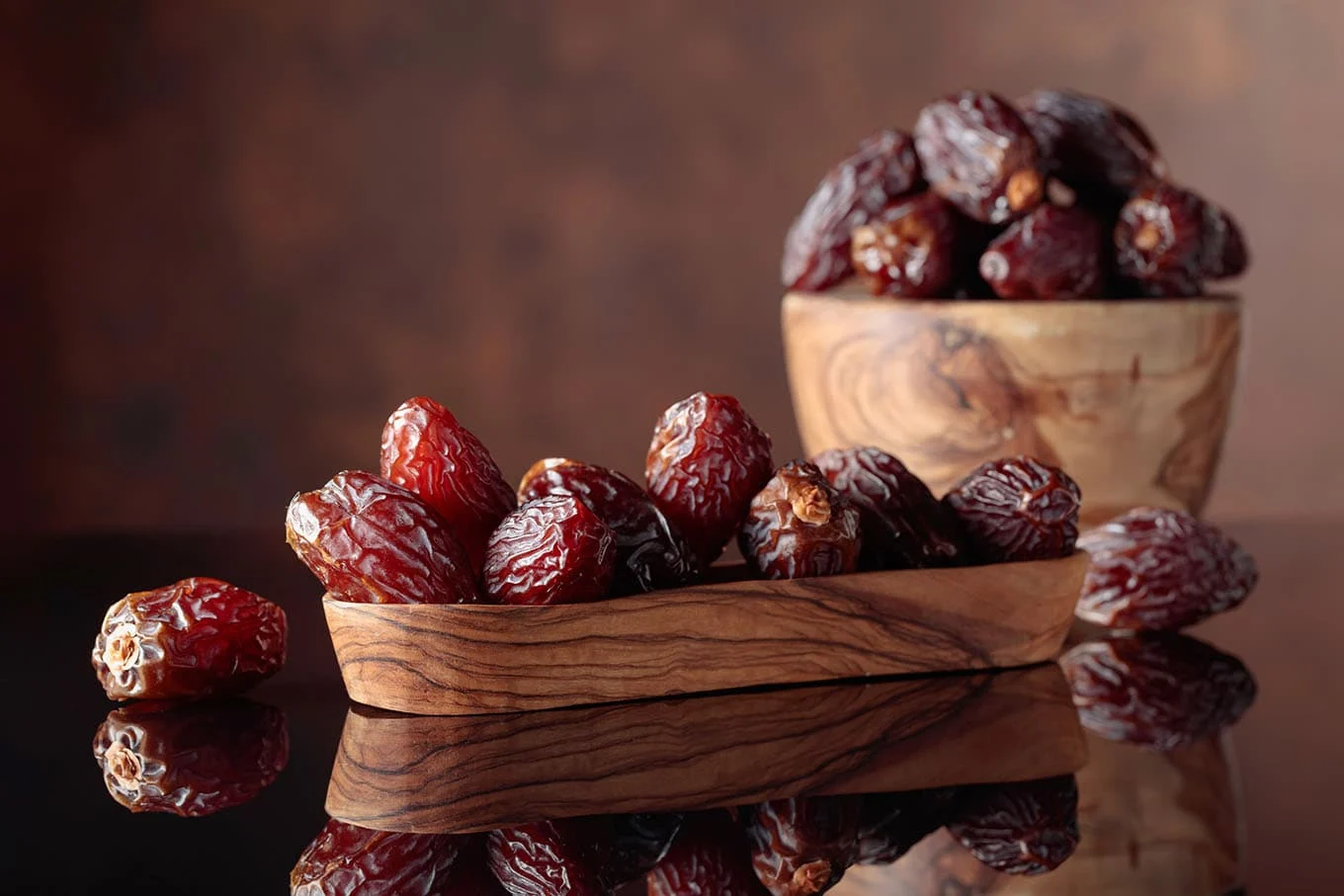
How to Choose Quality Dried Fruits
-
Check for Additives and Preservatives:
-
No added sugars or artificial sweeteners: High-quality dried fruits should not have added sugar. Excess sugar can degrade the natural flavors of the fruit and add unwanted calories.
-
No sulfites or other preservatives: Some dried fruits may contain sulfites to help preserve color and texture, but they can cause allergic reactions in sensitive individuals. Look for “unsulfured” or “no preservatives” labels when buying dried fruit, if possible.
-
-
Look for Natural Color and Appearance:
-
The color of dried fruit should be vibrant and true to the original fruit. For example, dried apricots should have a bright orange hue (unless they are dried naturally and are darker due to the absence of sulfur).
-
Avoid fruits that look too dark or shriveled, as these could indicate over-drying or poor-quality drying methods.
-
Plumpness: The dried fruit should look plump and moist rather than dry and hard, which may suggest improper drying techniques.
-
-
Check the Texture:
-
Quality dried fruits should be chewy, soft, and not too hard or brittle. Fruits like dried mango, apples, or pears should have a slight give when you press them.
-
No stickiness: Excess moisture can cause stickiness or clumping, indicating that the fruit was not dried properly. If it feels sticky or overly moist, it may have been stored improperly or is too old.
-
-
Smell:
-
Good-quality dried fruit should have a pleasant, natural fruit smell. Any musty, sour, or off smells can indicate mold or spoilage.
-
-
Check the Packaging:
-
Always inspect the packaging. Dried fruits should be in airtight, sealed packaging to maintain freshness. Look for any signs of broken seals, holes, or damage. Clear packaging allows you to inspect the quality of the fruit.
-
Storage conditions: Check if the packaging mentions any special storage instructions. Dried fruit should typically be kept in a cool, dry place away from light and heat to preserve its flavor and nutritional content.
-
-
Organic Options:
-
Opt for organic dried fruits, as they are grown without pesticides, and typically don’t contain artificial additives or preservatives.
-
-
Avoid Excessive Additives:
-
Check the ingredient list. Ideally, the fruit should only list the fruit itself (and occasionally salt or lemon juice). If you see a long list of additives, it might not be of the best quality.
-
How to Prepare Dried Fruits
-
Rehydrating Dried Fruits:
-
Many dried fruits can be rehydrated to restore some of their original moisture and make them plump again. This can improve the texture and make them more suitable for use in recipes like baked goods, stews, or smoothies.
-
Method 1: Soaking in Water: Place dried fruits like raisins, apricots, or figs in a bowl of warm water for 15-30 minutes. The longer you soak, the softer the fruit will be.
-
Method 2: Steaming: For fruits like apples or pears, steaming can help rehydrate them gently. Use a steaming basket over a pot of boiling water for about 10 minutes.
-
Method 3: Using Fruit Juices: For a deeper flavor, you can soak dried fruit in fruit juice (like apple juice or orange juice) instead of water.
-
-
-
Storing Dried Fruits:
-
In the Pantry: Dried fruit should be stored in a cool, dry place. Keep it in airtight containers to prevent moisture from entering. A pantry or cupboard works well for short-term storage.
-
In the Fridge or Freezer: For long-term storage, store dried fruit in the fridge or freezer. If you’re planning on keeping it for several months, freezing is an excellent option. Make sure the fruit is in a sealed, airtight bag or container to avoid freezer burn.
-
Check for Mold: Even though dried fruit has a long shelf life, always check it for signs of mold or an off smell before use. Store it properly to prevent exposure to moisture, which can cause mold growth.
-
-
Using Dried Fruits in Recipes:
-
Dried fruits are versatile and can be used in various recipes. They work well in baked goods (like muffins, bread, and cookies), salads, stews, cereals, and smoothies.
-
For Baking: If you’re using dried fruits in baking recipes, you may want to chop them into smaller pieces for better distribution.
-
In Smoothies or Juices: Rehydrate dried fruits like apricots, figs, or raisins, then blend them into smoothies or juices for added natural sweetness.
-
In Salads or Stir-fries: Rehydrated or plump dried fruits can be added to salads, stir-fries, or even rice dishes for a burst of flavor.
-
-
Mix with Nuts and Seeds:
-
Dried fruits combine wonderfully with nuts and seeds for a nutritious snack. Mix dried apricots, cranberries, raisins, or goji berries with almonds, walnuts, and sunflower seeds to create a healthy trail mix.
-
Tips for Enhancing Dried Fruits
-
Add Citrus Zest: If you want to enhance the flavor of dried fruits like raisins or cranberries, try adding a bit of lemon or orange zest. It brightens the fruit’s natural flavor and adds complexity.
-
Roast or Toast: You can lightly roast dried fruits like coconut or figs in the oven to intensify their flavor. Be sure to watch them closely to avoid burning.
-
Infuse with Spices: For extra flavor, soak dried fruits in a combination of water, spices (like cinnamon or vanilla), and sweetener before using them in your recipes.


